This guide breaks down the real differences so they can pick confidently, avoid common production surprises, and get the exact pin they pictured.
What is the difference between soft enamel and hard enamel pins?
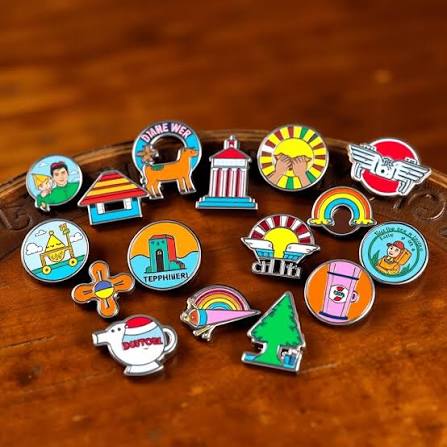
Custom enamel pins come in two main finishes. Soft enamel pins have recessed colour fills, so the metal lines sit higher than the enamel and can be felt with a fingertip. Hard enamel pins are filled and polished flat, creating a smooth, glass-like surface with a more “jewellery” finish.
When deciding on soft enamel vs hard enamel, the key trade-off is texture and depth versus a flatter, glossier face.
When does soft enamel make more sense for a design?
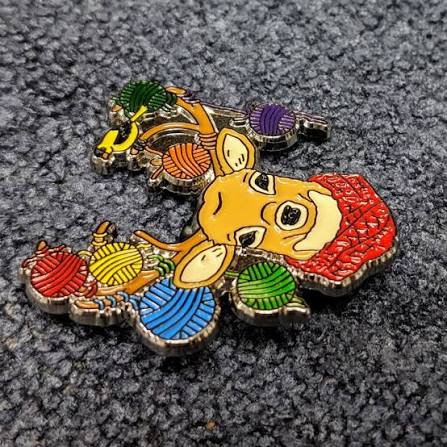
Soft enamel is ideal when they want visible metal outlines and a bit of dimensional texture. It also suits designs with bold shapes, thicker linework, and a style that benefits from a slightly rugged, tactile finish.
For soft enamel vs hard enamel, soft enamel often wins for streetwear-style graphics, mascot art, and designs where the raised metal borders are part of the aesthetic.
When is hard enamel the better choice?
Hard enamel is the better fit when they want a smooth surface that feels refined and high-end. It’s especially popular for corporate branding, clubs, awards, and designs where a clean, polished presentation matters.
In the soft enamel vs hard enamel debate, hard enamel is usually chosen when they want the pin to look sleek on a blazer, uniform, or premium retail backing card.
How do durability and wear compare over time?
Both are durable, but they wear differently. Soft enamel’s recessed fills can be a little more prone to collecting dust over time, while hard enamel’s flat polish tends to resist grime and wipes clean more easily.
For soft enamel vs hard enamel, hard enamel often holds a “new” look longer, while soft enamel can develop a more lived-in character that some brands actually prefer.
Which option shows detail and small text more clearly?
Both finishes can capture fine detail when the artwork is properly prepared. However, hard enamel may make ultra-thin lines slightly less crisp after polishing, while soft enamel typically preserves sharper metal outlines because its recessed fills do not need the same full-face polish. For best results, follow pin artwork preparation guidelines before finalising the design.
When weighing soft enamel vs hard enamel, soft enamel can be the safer option for tiny text, micro linework, and highly segmented colour areas.
How do colours look in soft enamel compared with hard enamel?
Soft enamel colours can look rich and punchy, with the raised metal borders giving extra contrast and separation. Hard enamel colours can look slightly more uniform and “set” under the polished surface, often reading as more premium and calm.
In soft enamel vs hard enamel, the best choice depends on whether they want bold contrast and depth or a flatter, glossy, refined finish.
What are the typical costs and minimums for each type?
Soft enamel is usually more affordable because it involves fewer finishing steps. Hard enamel typically costs more due to the additional filling and polishing required, and it may also have a slightly longer production time. For more detail, see custom pin manufacturing costs.
For soft enamel vs hard enamel, soft enamel is often the practical choice for tight budgets, large runs, or promotional drops where they want a strong look without a premium price tag.
How should they choose based on plating and metal finish?
Both types can be made with popular platings like gold, silver, black nickel, or dyed metal, but the finish reads differently depending on the enamel style. Soft enamel’s raised lines make plating more visually prominent, while hard enamel’s flat surface can feel more minimalist.
In soft enamel vs hard enamel, they should choose soft enamel if the metalwork is meant to stand out, and hard enamel if they want the colour blocks to lead.
What design files and artwork choices help avoid production issues?
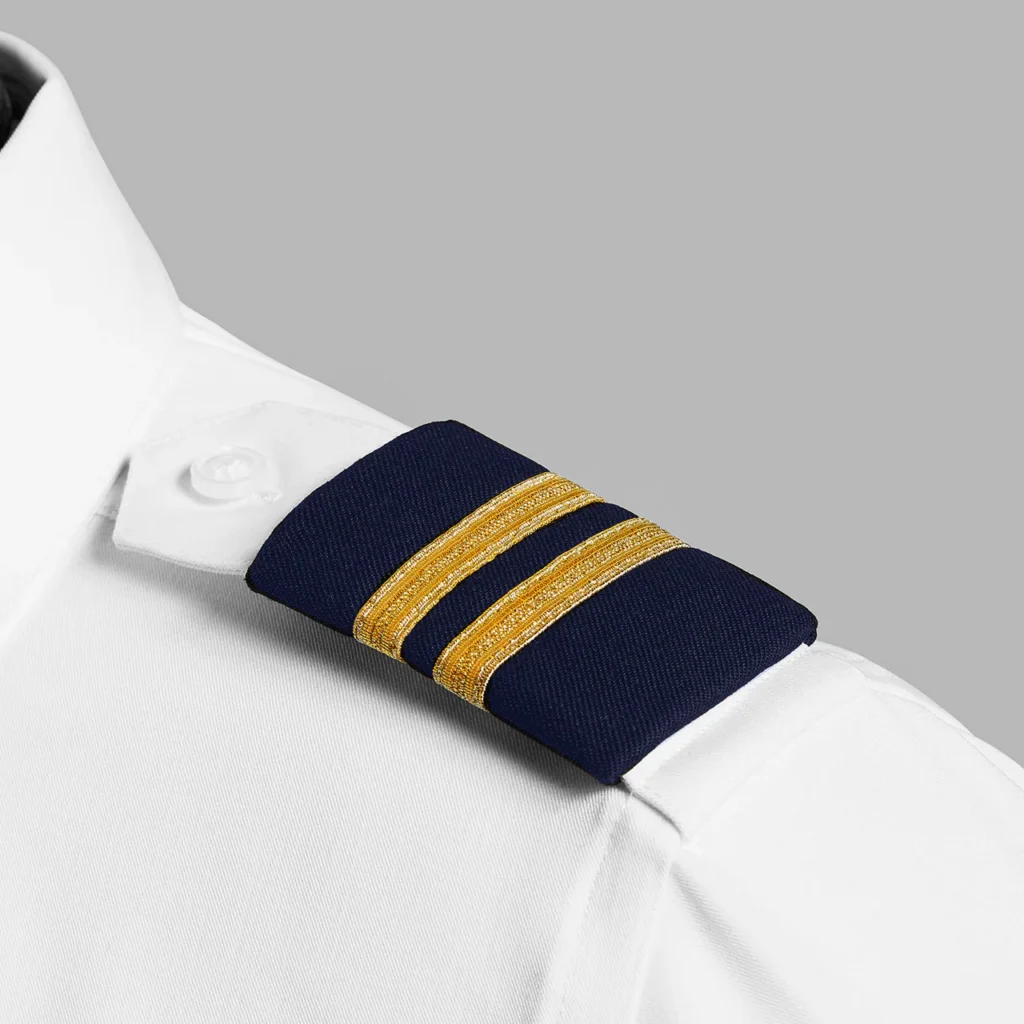
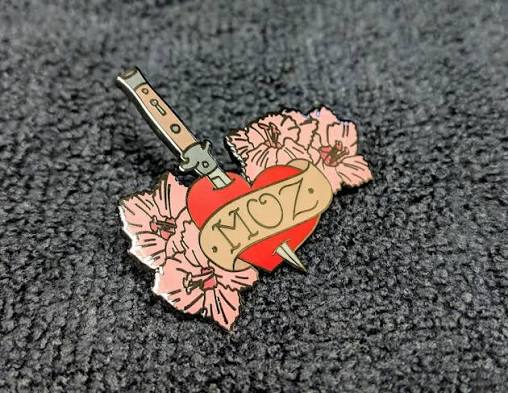
They should supply vector artwork, clear line weights, and well-separated colour areas, and they should avoid ultra-thin borders that may not hold at small sizes. It also helps to plan for a metal line between colours because most enamel pin processes require separation. Adding shoulder epaulettes to a custom design requires careful planning so the finished piece reflects the intended style and level of detail.
For soft enamel vs hard enamel, artwork that leans on crisp outlines and clear segmentation often suits soft enamel, while simpler, bolder shapes tend to shine in hard enamel.
Which custom enamel pin type is right for their design?
They should pick soft enamel if they want texture, strong metal outlines, sharper perceived detail, and a more cost-friendly run. They should pick hard enamel if they want a smooth, polished, premium feel that looks especially clean in formal or corporate settings.
Ultimately, soft enamel vs hard enamel comes down to how they want the pin to feel in hand and how they want the finish to present their brand or artwork.