
Uncategorized

Soft Enamel vs Hard Enamel: Which Custom Enamel Pin Type Is Right for Your Design?

Soft Enamel vs Hard Enamel: Which Custom Enamel Pin Type Is Right for Your Design?

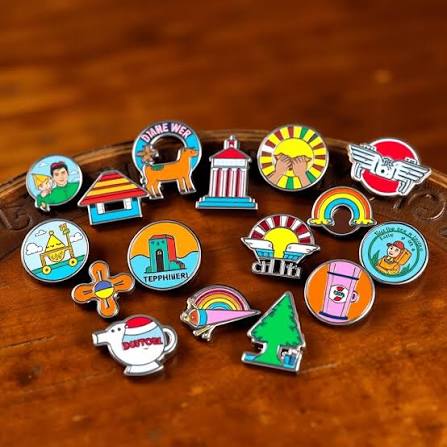
This guide breaks down the real differences so they can pick confidently, avoid common production surprises, and get the exact pin they pictured. What is the difference between soft enamel and hard enamel pins? Custom enamel pins come in two main finishes. Soft enamel pins have recessed colour fills, so the metal lines sit higher than the enamel and can be felt with a fingertip. Hard enamel pins are filled and polished flat, creating a smooth, glass-like surface with a more “jewellery” finish. When deciding on soft enamel vs hard enamel, the key trade-off is texture and depth versus a flatter, glossier face. When does soft enamel make more sense for a design? Soft enamel is ideal when they want visible metal outlines and a bit of dimensional texture. It also suits designs with bold shapes, thicker linework, and a style that benefits from a slightly rugged, tactile finish. For soft enamel vs hard enamel, soft enamel often wins for streetwear-style graphics, mascot art, and designs where the raised metal borders are part of the aesthetic. When is hard enamel the better choice? Hard enamel is the better fit when they want a smooth surface that feels refined and high-end. It’s especially popular for corporate branding, clubs, awards, and designs where a clean, polished presentation matters. In the soft enamel vs hard enamel debate, hard enamel is usually chosen when they want the pin to look sleek on a blazer, uniform, or premium retail backing card. How do durability and wear compare over time? Both are durable, but they wear differently. Soft enamel’s recessed fills can be a little more prone to collecting dust over time, while hard enamel’s flat polish tends to resist grime and wipes clean more easily. For soft enamel vs hard enamel, hard enamel often holds a “new” look longer, while soft enamel can develop a more lived-in character that some brands actually prefer. Which option shows detail and small text more clearly? Both finishes can capture fine detail when the artwork is properly prepared. However, hard enamel may make ultra-thin lines slightly less crisp after polishing, while soft enamel typically preserves sharper metal outlines because its recessed fills do not need the same full-face polish. For best results, follow pin artwork preparation guidelines before finalising the design. When weighing soft enamel vs hard enamel, soft enamel can be the safer option for tiny text, micro linework, and highly segmented colour areas. How do colours look in soft enamel compared with hard enamel? Soft enamel colours can look rich and punchy, with the raised metal borders giving extra contrast and separation. Hard enamel colours can look slightly more uniform and “set” under the polished surface, often reading as more premium and calm. In soft enamel vs hard enamel, the best choice depends on whether they want bold contrast and depth or a flatter, glossy, refined finish. What are the typical costs and minimums for each type? Soft enamel is usually more affordable because it involves fewer finishing steps. Hard enamel typically costs more due to the additional filling and polishing required, and it may also have a slightly longer production time. For more detail, see custom pin manufacturing costs. For soft enamel vs hard enamel, soft enamel is often the practical choice for tight budgets, large runs, or promotional drops where they want a strong look without a premium price tag. How should they choose based on plating and metal finish? Both types can be made with popular platings like gold, silver, black nickel, or dyed metal, but the finish reads differently depending on the enamel style. Soft enamel’s raised lines make plating more visually prominent, while hard enamel’s flat surface can feel more minimalist. In soft enamel vs hard enamel, they should choose soft enamel if the metalwork is meant to stand out, and hard enamel if they want the colour blocks to lead. What design files and artwork choices help avoid production issues? They should supply vector artwork, clear line weights, and well-separated colour areas, and they should avoid ultra-thin borders that may not hold at small sizes. It also helps to plan for a metal line between colours because most enamel pin processes require separation. Adding shoulder epaulettes to a custom design requires careful planning so the finished piece reflects the intended style and level of detail. For soft enamel vs hard enamel, artwork that leans on crisp outlines and clear segmentation often suits soft enamel, while simpler, bolder shapes tend to shine in hard enamel. Which custom enamel pin type is right for their design? They should pick soft enamel if they want texture, strong metal outlines, sharper perceived detail, and a more cost-friendly run. They should pick hard enamel if they want a smooth, polished, premium feel that looks especially clean in formal or corporate settings. Ultimately, soft enamel vs hard enamel comes down to how they want the pin to feel in hand and how they want the finish to present their brand or artwork.

Soft Enamel vs Hard Enamel: Which Custom Enamel Pin Type Is Right for Your Design? Read Post »
Shoulder Epaulettes Are Back — Here’s Why Fashion and Uniform Culture Both Claim Them

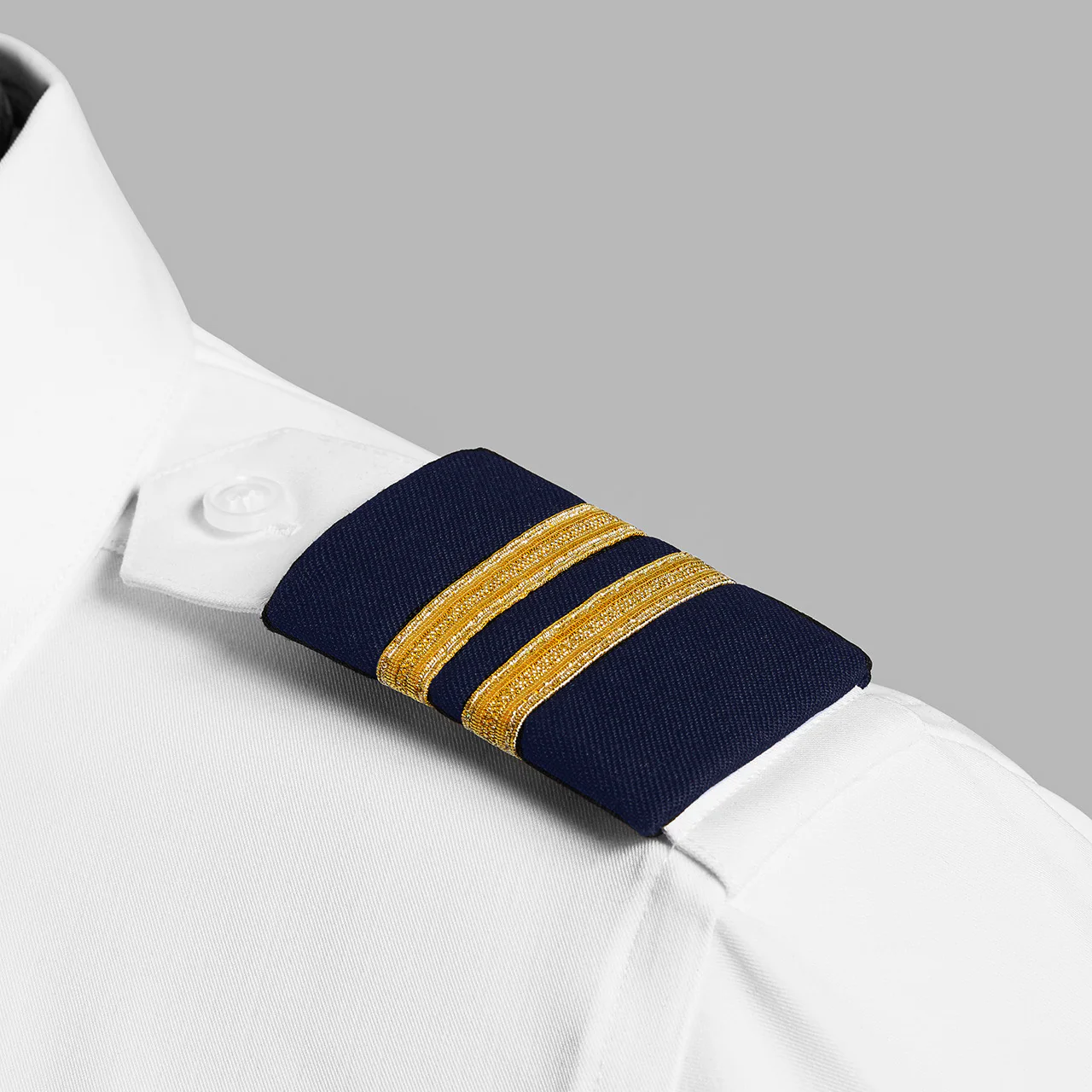
The current revival feels different from past cycles. Instead of being purely about sharp tailoring or glamour, it is also tied to nostalgia, identity, and the visual language of rank. Why are shoulder epaulettes back right now? Shoulder epaulettes are back because fashion is leaning into structure again. After years of oversized softness, many collections are moving towards defined shoulders, crisp lines, and deliberate detailing that reads clearly on camera and in real life. They also fit the current appetite for references people instantly recognise. Shoulder epaulettes signal “uniform”, “power”, and “ceremony” in a split second, which makes them useful in an era of fast scrolling and micro trends. What do shoulder epaulettes actually signal to the viewer? They signal status, function, and discipline, even when the garment is casual. Shoulder epaulettes borrow their visual authority from military and service uniforms, so the eye reads them as purposeful rather than decorative. That meaning carries over into fashion. When a jacket has shoulder epaulettes, it can feel more commanding than the same silhouette without them, even if the rest of the outfit is simple. How did shoulder epaulettes move from uniforms into everyday fashion? They moved through tailoring, cinema, and subcultures that borrowed uniform cues to create identity. Designers have long drawn on military dress because it is already a refined system of proportion, hierarchy, and symbolism. Learn more about the influence of military uniforms on fashion. Over time, shoulder epaulettes became a shortcut. A trench coat, a safari jacket, or a structured shirt instantly looks “finished” once the shoulders carry that extra element. Why does uniform culture still “own” shoulder epaulettes? Uniform culture still claims them because they remain tied to real-world rank systems. In many services, shoulder epaulettes are not optional styling; they are part of how roles are read and respected in daily operations. That creates an unusual tension. Fashion can treat shoulder epaulettes as aesthetic, but uniforms treat them as information. The overlap is why the detail keeps its charge, and why it never becomes just another trim. Are designers using shoulder epaulettes to sell authority? Yes, because authority is one of the clearest emotions clothing can project. A consumer may not want to look “military”, but they might want to look composed, decisive, or elevated, and shoulder epaulettes help deliver that impression. The effect also works across price points. A budget shirt can feel more premium with shoulder epaulettes because the detail suggests construction, intention, and a sense of officialness. Explore how military-inspired details shape modern fashion. Which garments are bringing shoulder epaulettes back? The revival is showing up most in trenches, cropped jackets, utility shirts, and fitted blazers. It is also appearing on dresses that borrow from shirting, where the shoulder is treated like a frame. Outerwear is doing most of the heavy lifting because shoulder epaulettes are easiest to read on thicker fabrics. But they are also returning on lighter pieces, where the point is contrast: softness everywhere else, structure right at the top. Is this trend about nostalgia, or something more current? It is nostalgia, but it is also about clarity. Many people are dressing for hybrid lives, switching between casual and formal settings, and details like shoulder epaulettes add instant polish without needing a full suit. It also reflects renewed interest in heritage and “real” craft. Shoulder epaulettes imply a pattern-cutting tradition, which helps brands tell a story about quality even when the garment is mass produced. How are shoulder epaulettes being styled without looking like a costume? They work best when the rest of the outfit stays grounded. Pairing a jacket with shoulder epaulettes with straight-leg denim, plain tees, simple knits, or clean boots keeps the look modern. It also helps when the hardware is minimal. Many contemporary versions use tone-on-tone buttons or stitched tabs, so the reference is there without looking like a full uniform replica. What is the cultural tension when fashion borrows from uniforms? The tension is that uniforms can represent service and community, but also control and exclusion, depending on history and context. When military-inspired clothing borrows those codes, it can feel like admiration, parody, or appropriation, even if the wearer does not intend any message. That is why shoulder epaulettes can start conversations. A small shoulder detail can carry big associations, and the same jacket may read differently in different communities. Will shoulder epaulettes stay, or fade again? They will likely stay in rotation because they are functional for design. They create visual structure, improve how garments sit on the body, and provide a focal point that photographs well. Even if the current wave cools, shoulder epaulettes rarely disappear completely. They tend to retreat into classics like trenches and utility jackets, then surge again when fashion swings back to sharp shoulders and uniform cues.

Shoulder Epaulettes Are Back — Here’s Why Fashion and Uniform Culture Both Claim Them Read Post »

Scroll to Top